
 RVDwell OEM TRAVEL TRAILERS
Travel Trailer Pre-Shipment Inspection: What Importers Should Check
A practical pre-shipment inspection guide for travel trailer importers, covering documents, configuration, systems, appearance and loading readiness.
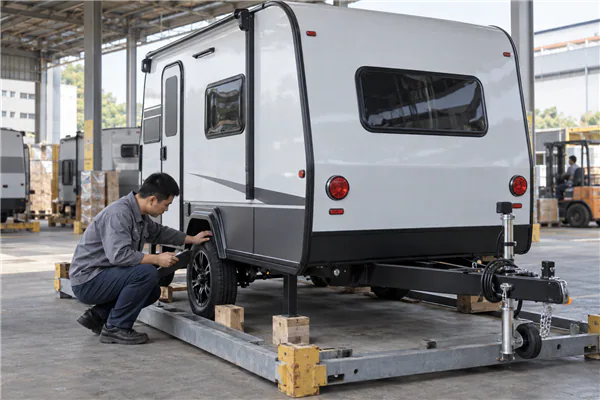
A travel trailer pre-shipment inspection confirms that the delivered unit matches the approved order, operates as agreed, has recorded corrective actions and is ready for the chosen delivery process. It should be planned from the configuration sheet, not improvised on loading day.
Who this guide is for
This guide is for importers and B2B buyers preparing to accept travel trailers before international shipment.
The inspection is a handover checkpoint, not an opportunity to redesign the product. Freeze acceptance criteria before production and distinguish defects from new preferences or unapproved changes.
Bring the approved order to the inspection
Use the signed configuration, drawings, option list, artwork approval and previous change notices as the inspection baseline. A final visual impression is useful, but the buyer needs to know whether the actual unit matches the agreed build.
Check identification, major dimensions where relevant, exterior package, installed equipment and documentation against the controlled project file.
Operate the systems that matter to the use case
Pre-shipment inspection should include practical operation of agreed systems where a safe factory setup is available. That may include doors, latches, lights, plumbing functions, power systems, appliances or climate equipment. The exact scope should be set by the configuration and market needs.
Record the test condition and any limitation. A system cannot be meaningfully tested if the factory environment does not provide the required utility or operating condition.
 RVDwell OEM TRAVEL TRAILERS
Need to compare a platform, custom requirement or factory process against your market brief?
Get a project checklist →Inspect finish, service access and loose items
Walk around the trailer in consistent light, then inspect interior surfaces, seals, edges, storage spaces and access panels. Confirm that manuals, keys, accessories and spare parts included in the order are present and identified.
For a rental fleet, add checks for quick-turn access, durable finishes and parts likely to need replacement between hires.
Confirm loading and document readiness
Before release, verify packing protection, loading restraints where applicable, delivery documents, final photographs and the action status of any issue found. Align the record with the selected Incoterms rule so the point of risk transfer and handover is clear.
A well-documented inspection gives the receiving team a practical baseline for arrival inspection.
Buyer worksheet: questions to close before a quote
Use this short worksheet in a supplier meeting, a factory visit or a sample review. It is designed to turn customer requirements into records that engineering, production, quality and logistics teams can act on.
- Approved configuration and change log available at inspection
- Agreed systems operated and test conditions recorded
- Finish, accessories and service access checked
- Issues categorized with closure evidence
- Packing, documents and delivery-term handover confirmed
For a new RVDwell project, this information can be reviewed alongside the factory capability, the custom-build process and the agreed shipment-inspection scope. The final requirement should always reflect the destination market and approved product configuration.
What evidence to request from the factory
Useful evidence is specific to the unit and stage: an approved configuration record, production-stage photographs where appropriate, factory testing results, a corrective-action log and a shipment inspection record. It should show how customer requirements moved from the brief into the delivered trailer.
Do not rely on a generic certificate or a finished-product photograph as the only proof. Ask which records apply to your model, who completes them and how a failed check is corrected before the unit advances.
Frequently asked questions
Can inspection happen after loading?
Some checks can happen at loading, but most product inspection should occur before the trailer is packed or inaccessible. Plan the inspection window so issues can be reviewed without creating unsafe or expensive rework.
Should a third-party inspector be used?
It can be useful when the buyer cannot attend or needs independent support. The inspector still needs a clear project-specific checklist and authority to record findings.
What if a minor issue is found?
Record it, agree the remedy and decide whether it must be closed before shipment or can be handled through a documented plan. Avoid relying on verbal assurances.
Reference sources
External requirements and market rules should be checked against the destination and final configuration. These authoritative starting points support the planning questions in this guide.