
 RVDwell OEM TRAVEL TRAILERS
Travel Trailer Spare Parts Planning: A B2B Buyer Framework
Plan travel trailer spare parts around installed configuration, downtime risk, service locations and documentation.
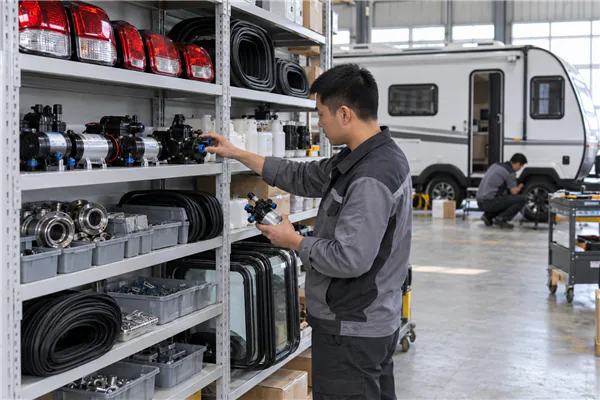
Travel trailer spare-parts planning should begin with the approved bill of materials and the service model. Buyers should stock or source the components that create customer downtime, are difficult to procure locally, or differ by configuration.
Who this guide is for
This guide is for distributors and fleet operators building an after-sales plan for imported travel trailers.
A useful parts strategy is not a large unstructured box of components. It is an identified list tied to each approved trailer configuration, a local service workflow and clear replenishment rules.
Build the parts list from the delivered configuration
Start with the actual approved platform and option package. Model names alone are not enough if trailers have different appliances, power systems, finishes or hardware. Ask for part identity, relevant supplier reference, location and any configuration dependency.
This record helps a service team avoid ordering a visually similar but incompatible component.
Prioritize by downtime and lead time
Classify parts by how quickly a failure can immobilize a unit, affect safety, prevent booking turnover or damage customer trust. Then consider local availability and supplier lead time. The result is a smaller, more defensible launch stock than trying to predict every repair.
Review the list after real service data is available.
 RVDwell OEM TRAVEL TRAILERS
Need to compare a platform, custom requirement or factory process against your market brief?
Get a project checklist →Make replacement practical
A part is only useful if a technician can identify, access and replace it. During sample review, ask service staff to locate common fuses, latches, pumps, lights, seals and other relevant components. Note any special tools, training or instructions required.
If an access issue is found, solve it before a larger batch is released where possible.
Connect parts to warranty and customer communication
Define how a claim is logged, what evidence is needed, who authorizes replacement and how serial or unit identification is used. This reduces delay when a dealer, fleet depot and manufacturer are in different locations.
Keep customer-facing claims modest and make the escalation process visible in handover documents.
Buyer worksheet: questions to close before a quote
Use this short worksheet in a supplier meeting, a factory visit or a sample review. It is designed to turn customer requirements into records that engineering, production, quality and logistics teams can act on.
- Parts list tied to actual configuration
- Downtime and lead-time categories agreed
- Service staff validate physical access on a sample
- Claim and replacement authorization path documented
- Launch stock reviewed after real operating data
For a new RVDwell project, this information can be reviewed alongside the factory capability, the custom-build process and the agreed shipment-inspection scope. The final requirement should always reflect the destination market and approved product configuration.
What evidence to request from the factory
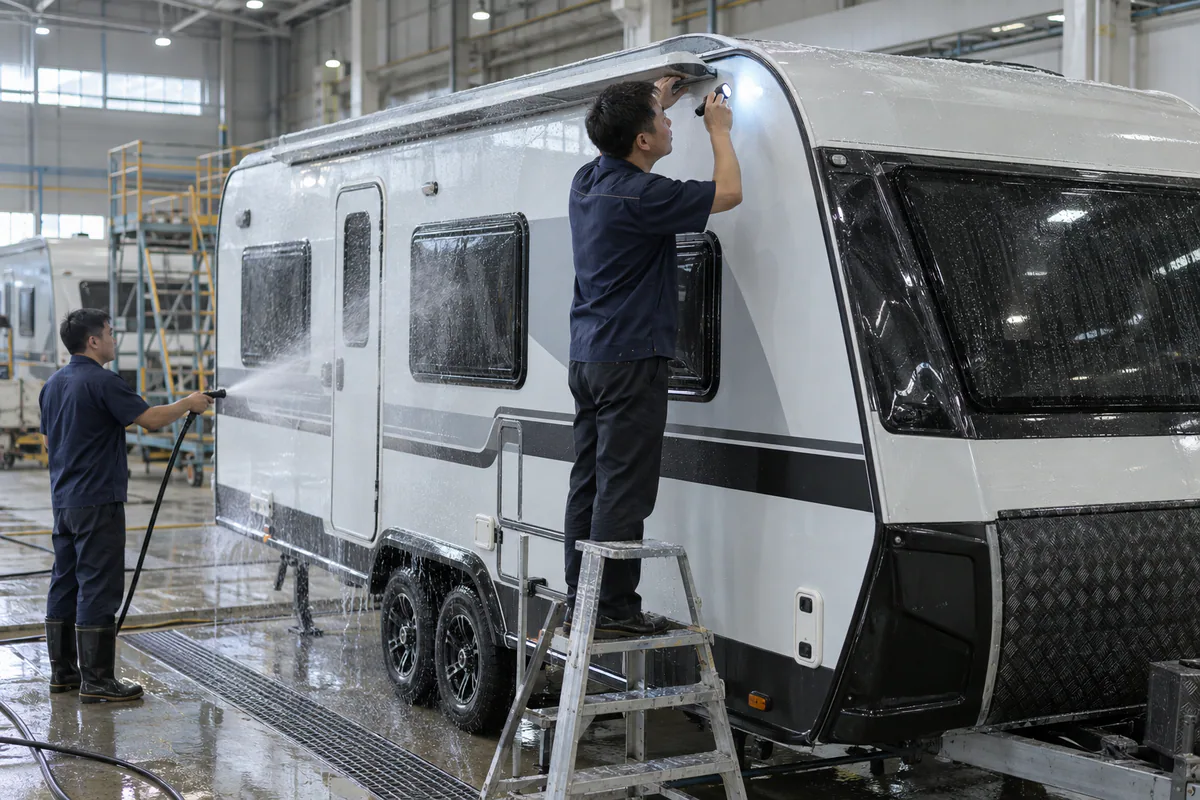
Useful evidence is specific to the unit and stage: an approved configuration record, production-stage photographs where appropriate, factory testing results, a corrective-action log and a shipment inspection record. It should show how customer requirements moved from the brief into the delivered trailer.
Do not rely on a generic certificate or a finished-product photograph as the only proof. Ask which records apply to your model, who completes them and how a failed check is corrected before the unit advances.
Frequently asked questions
Should every dealer hold the same parts?
Not necessarily. Stock should reflect local fleet size, service capability, demand patterns and supply lead time.
What information should be on a parts list?
Unit or configuration reference, part description, supplier reference where available, location, compatibility notes and replenishment responsibility.
When should parts planning begin?
During the sample and production-planning phase, not after the first customer service case.
Reference sources
External requirements and market rules should be checked against the destination and final configuration. These authoritative starting points support the planning questions in this guide.